NARST 2026 · April 21

Community, Transparency & Tinkering for Just Futures

Lessons Learned from the Critical AI Literacy Institute (CALI)

Luke Waltzer, Laurie Hurson, Zach Muhlbauer, and Sule Aksoy

CUNY Graduate Center, New York City, NY, USA

Luke Waltzer

The Critical AI Literacy Institute: Asserting and Preserving Scholarly Agency in the Age of AI

CALI Director

The Teaching and Learning Center, CUNY Graduate Center
Luke Waltzer

About the Teaching and Learning Center

  • Educational development for graduate students
  • Research and advocacy
  • Open education and educational technology
Teaching and Learning Center visual
Luke Waltzer

About the Critical AI Literacy Institute (CALI)

  • Origins
  • Elements
    • Faculty Development
    • Research
    • Research & Development
    • Advocacy
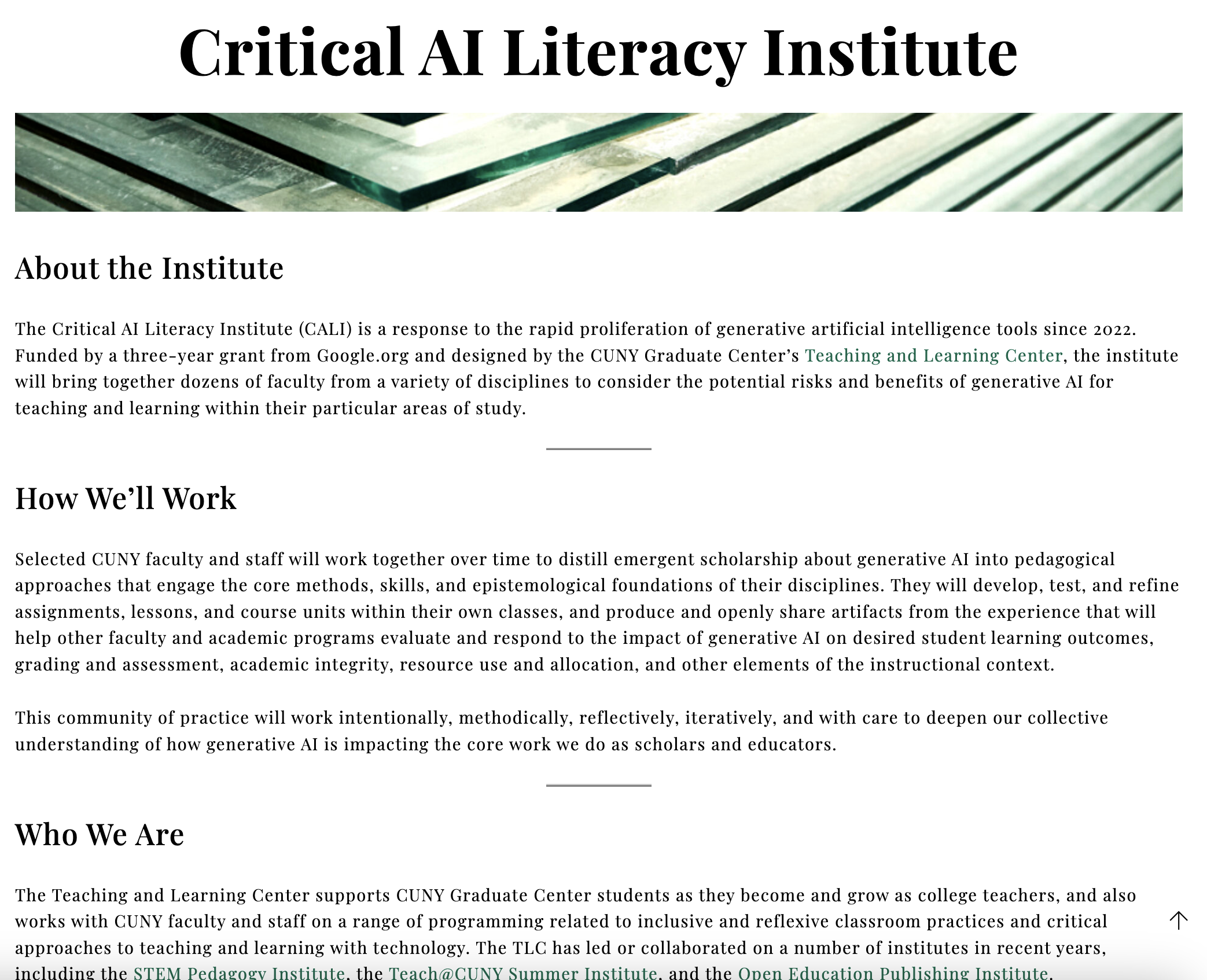
CALI website home page screenshot
Luke Waltzer

Grounding Scholarship

  • Critical University Studies
  • Critical Ed Tech and Infrastructure Studies
  • DH, Science Education, Educational Development
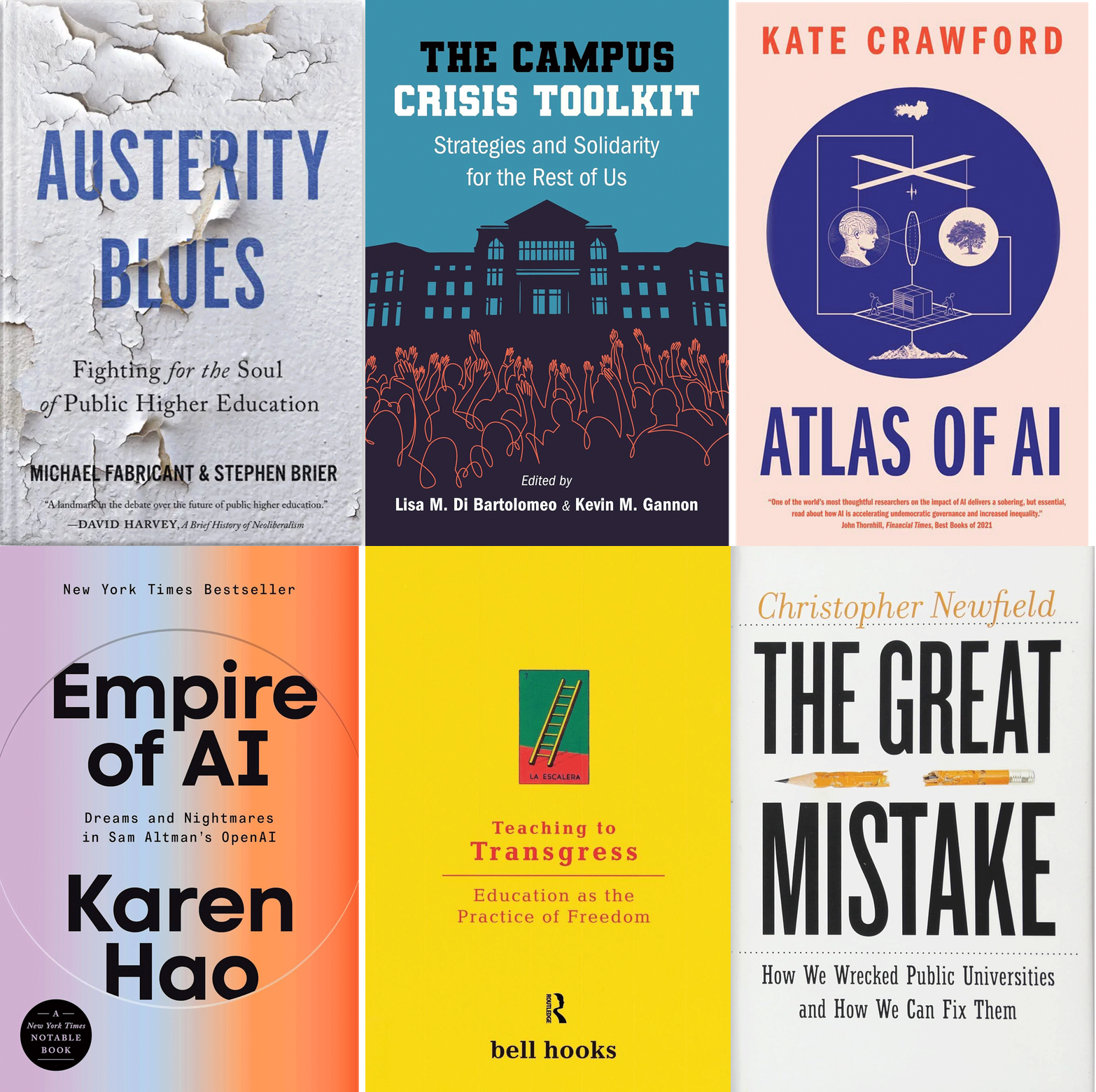
Grounding scholarship — key texts
Luke Waltzer

Defining Critical AI Literacy

  • Critical AI Literacies
  • Comprehensive AI Literacies
Luke Waltzer

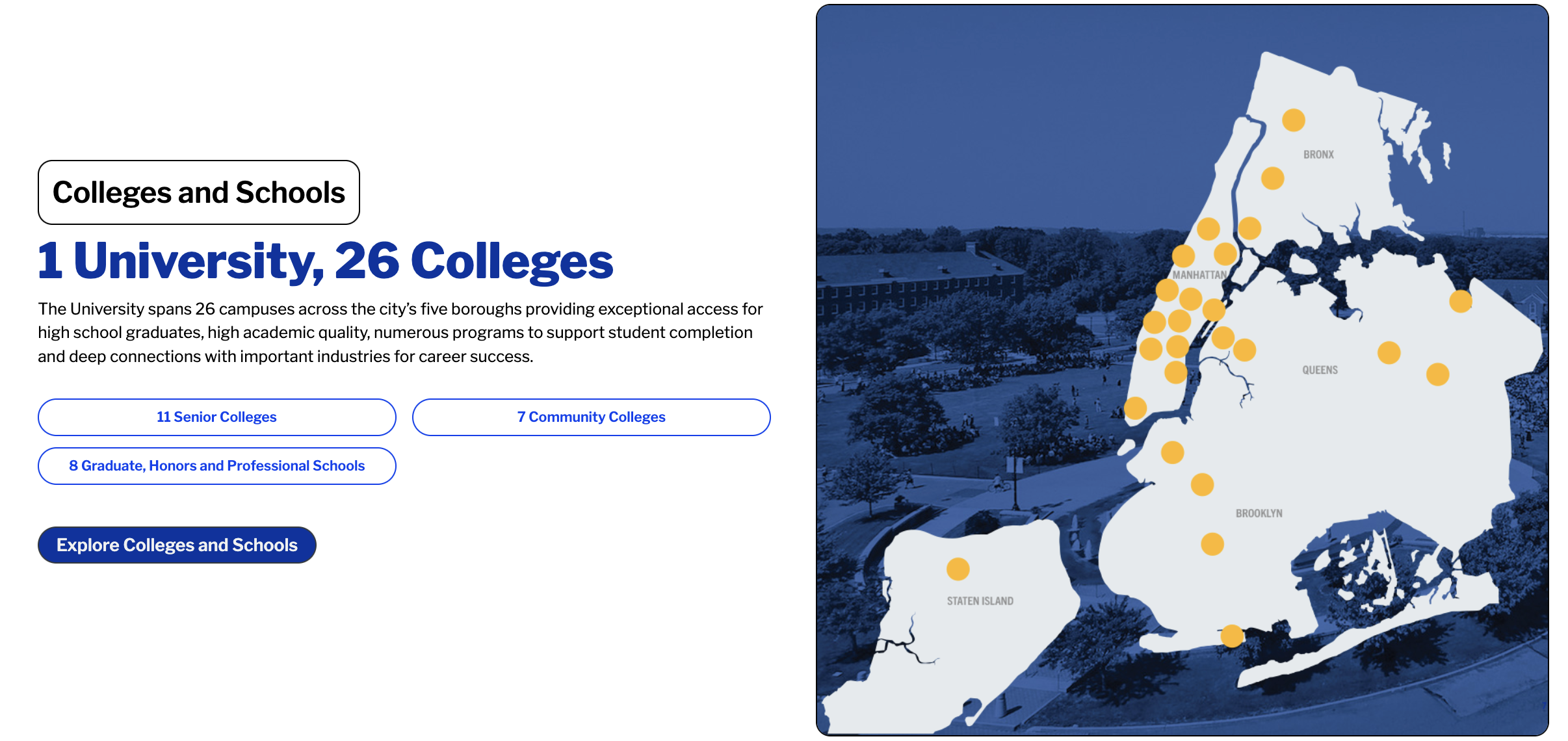
The CUNY Context

  • Large, federated system
  • Heavy turnover at central office
  • Emphasis on career-connected learning
  • Minoritized population
Map of CUNY campuses across the five boroughs
Luke Waltzer

Our Goals

  • Reasoned Adoption Informed Refusal
  • Communities of Practice
  • Research, Tinker, Advocate
Luke Waltzer

Funding

  • Google.org
  • 3 years / 1m
  • Second grant: Empire AI Initiative
  • Supportive relationship
Google / Empire AI Initiative funding context
Luke Waltzer

CALI's Strategy

  • Emphasize agency
  • Identify small teaching moments
  • Ground interventions in critical inquiry
  • Joy
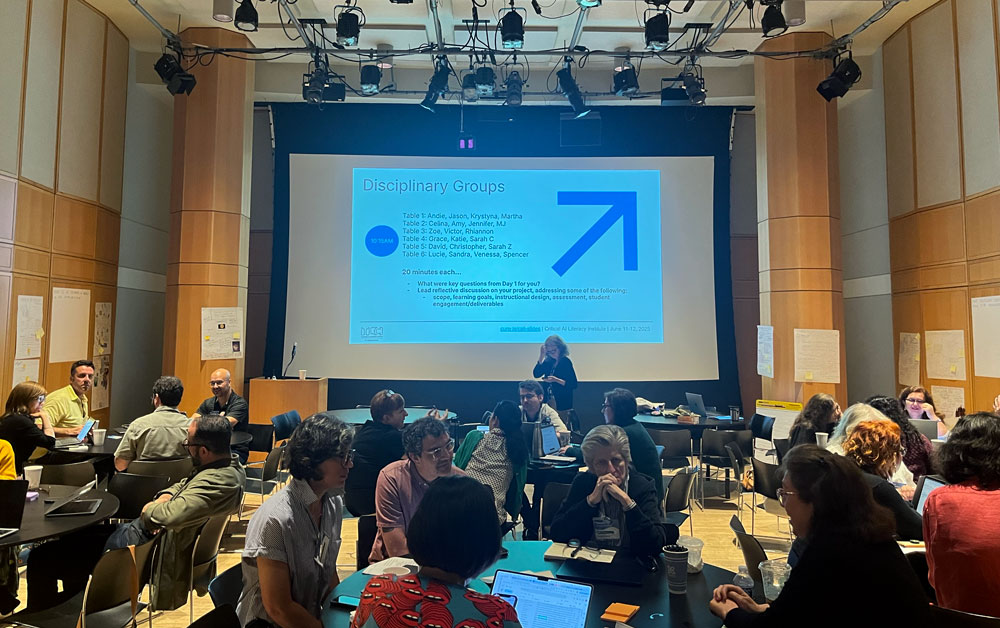
CALI Institute gathering
Laurie Hurson

Fostering Critical AI Literacy as Collective World-Building: Curricular Models for Teaching With/About Generative AI

CALI Curricular Lead & Assistant Director of Open Education

The Teaching and Learning Center, CUNY Graduate Center

Laurie Hurson

Overview

  • CALI Curriculum
  • Faculty Interventions
  • Fostering Critical AI Literacy as Collective World-Building
Laurie Hurson

The Critical AI Literacy Institute

  • Faculty Development Program
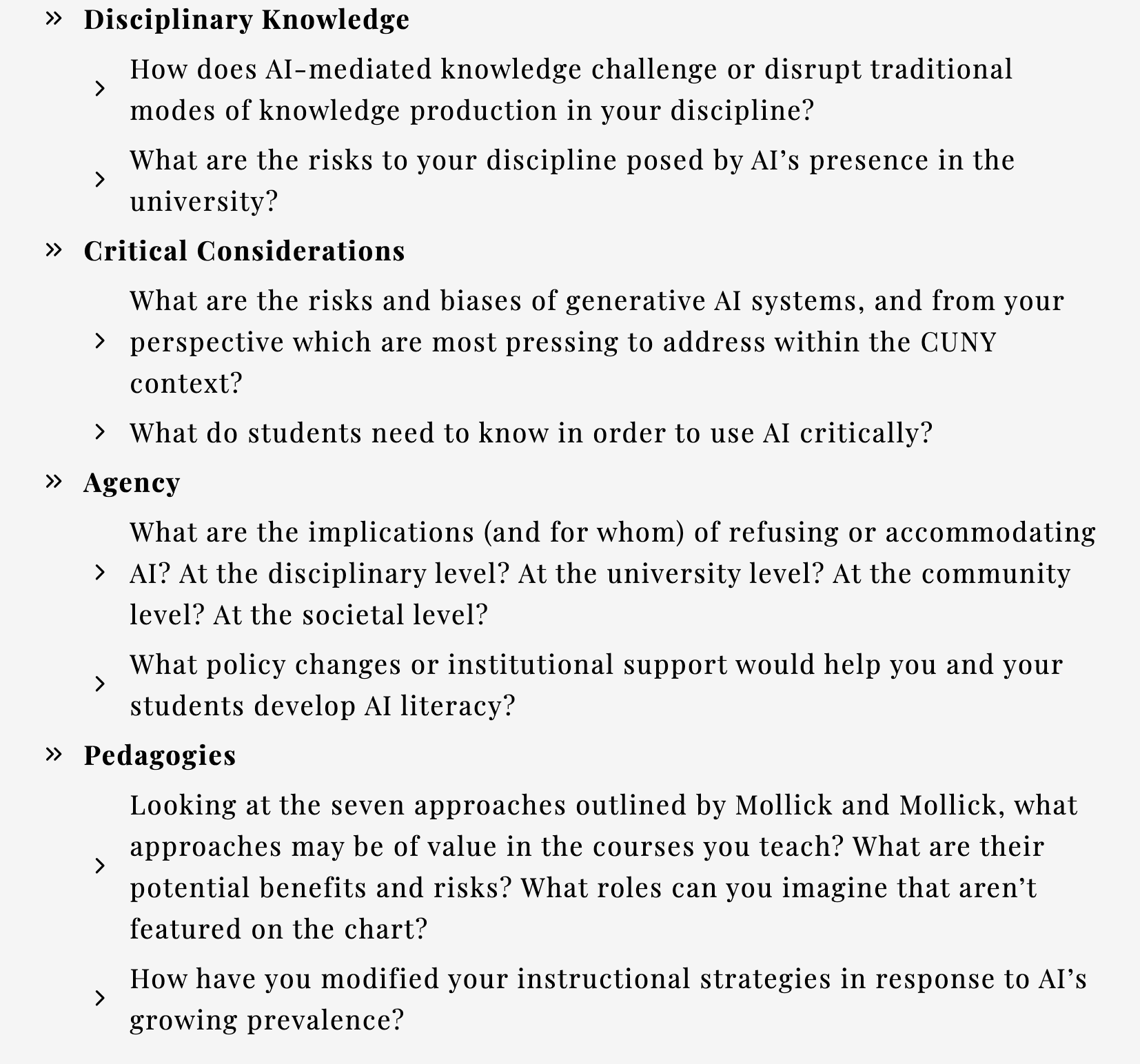
  • Disciplinary Questions
  • Develop Critical Stance / Criticality (Sano-Franchini, 2026)
  • Reflective, collaborative, interdisciplinary
CALI faculty questions spanning Disciplinary Knowledge, Critical Considerations, Agency, and Pedagogies
Laurie Hurson

Summer Institute

  • Focus: Teaching with, about, against AI
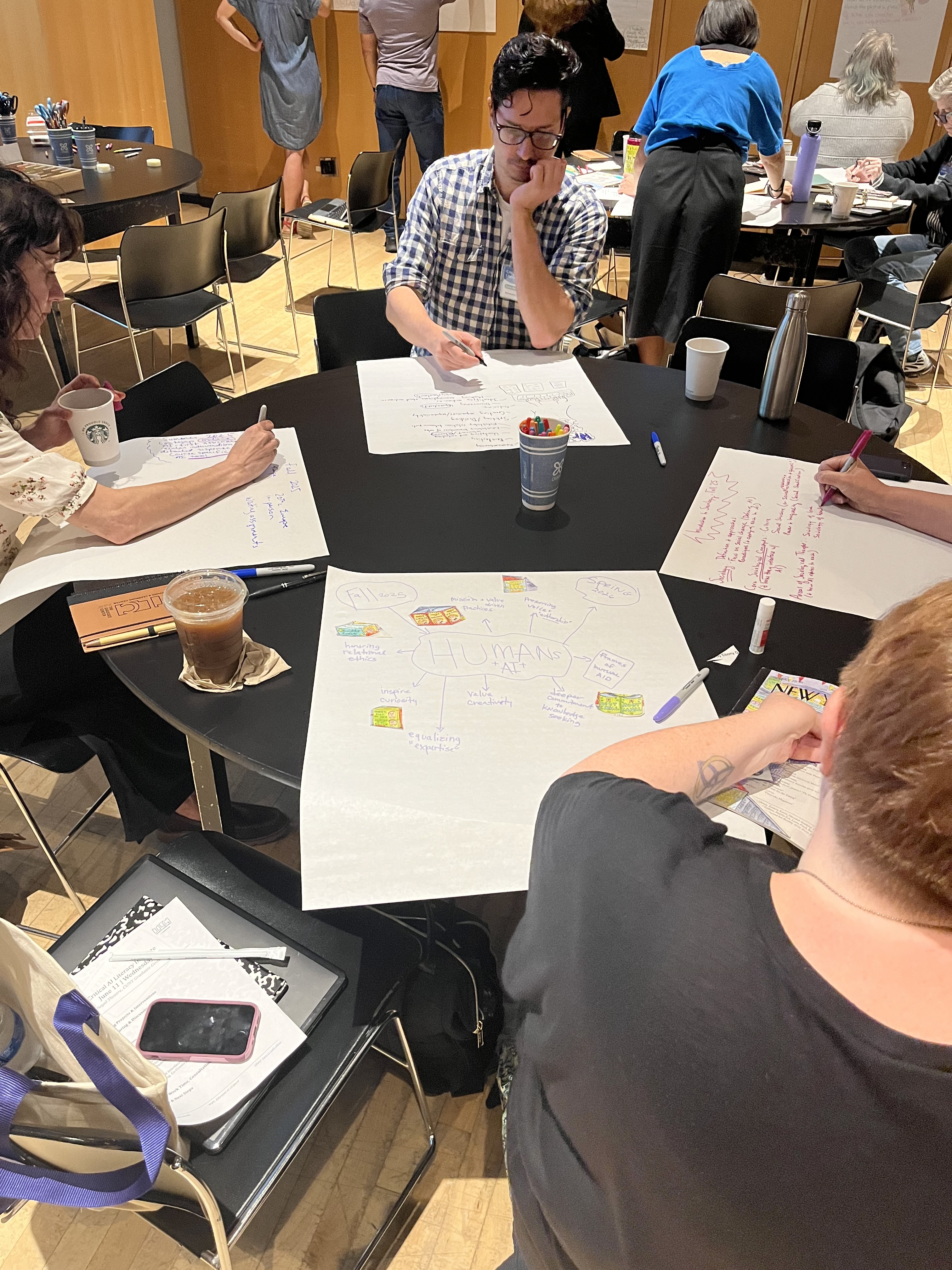
  • Methods: Disciplinary working groups, affinity discussions, tinkering, mapping (Futch & Fine, 2012)
  • Goals: Develop interventions; foster a community of practice; model critical inquiry (Lave & Wenger, 1991; Haraway, 1988; Harding, 1993)
Community of Practice gathering
Laurie Hurson

Faculty Interventions

  • Research and Information in the Digital Age — Sarah Cohn, City College
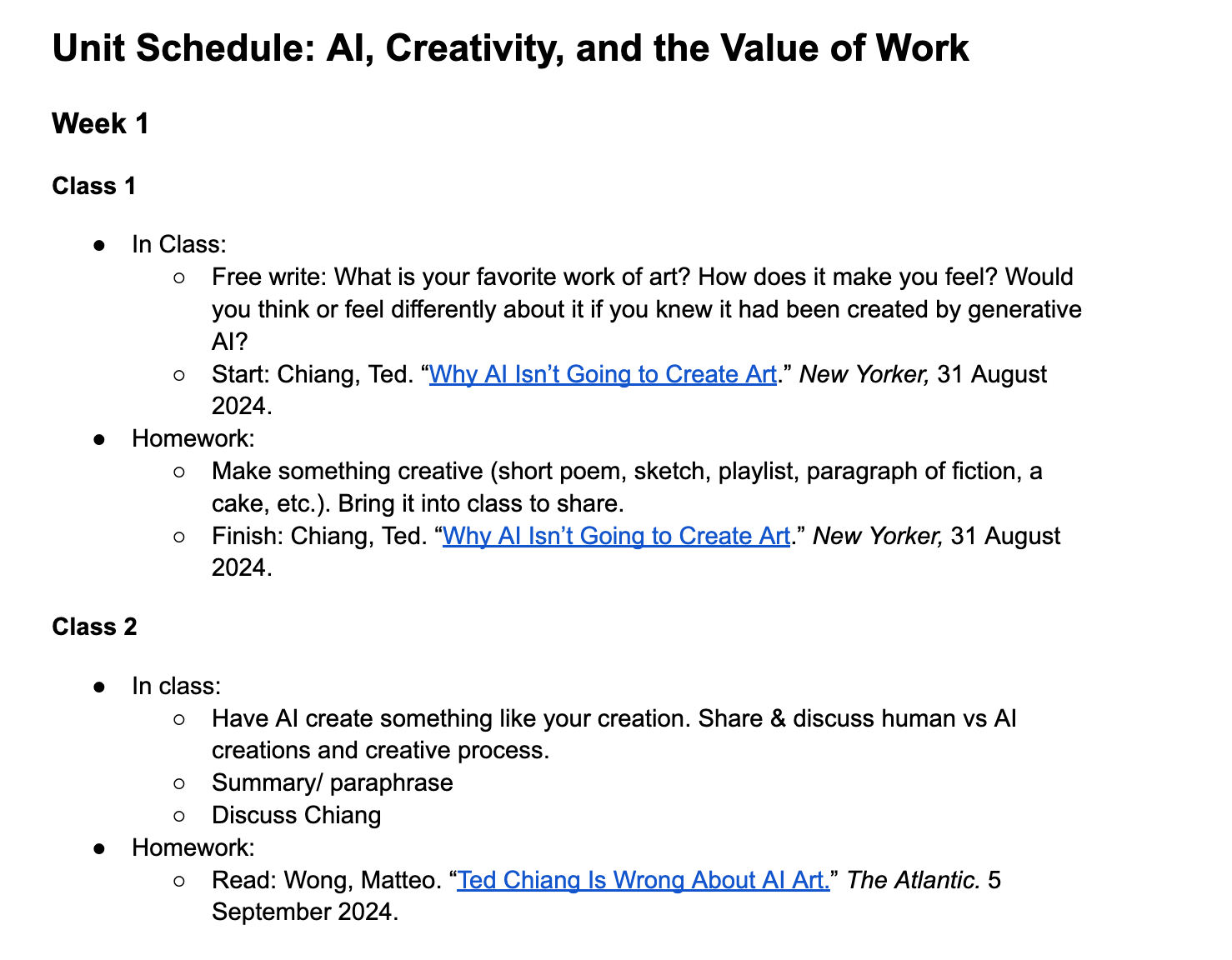
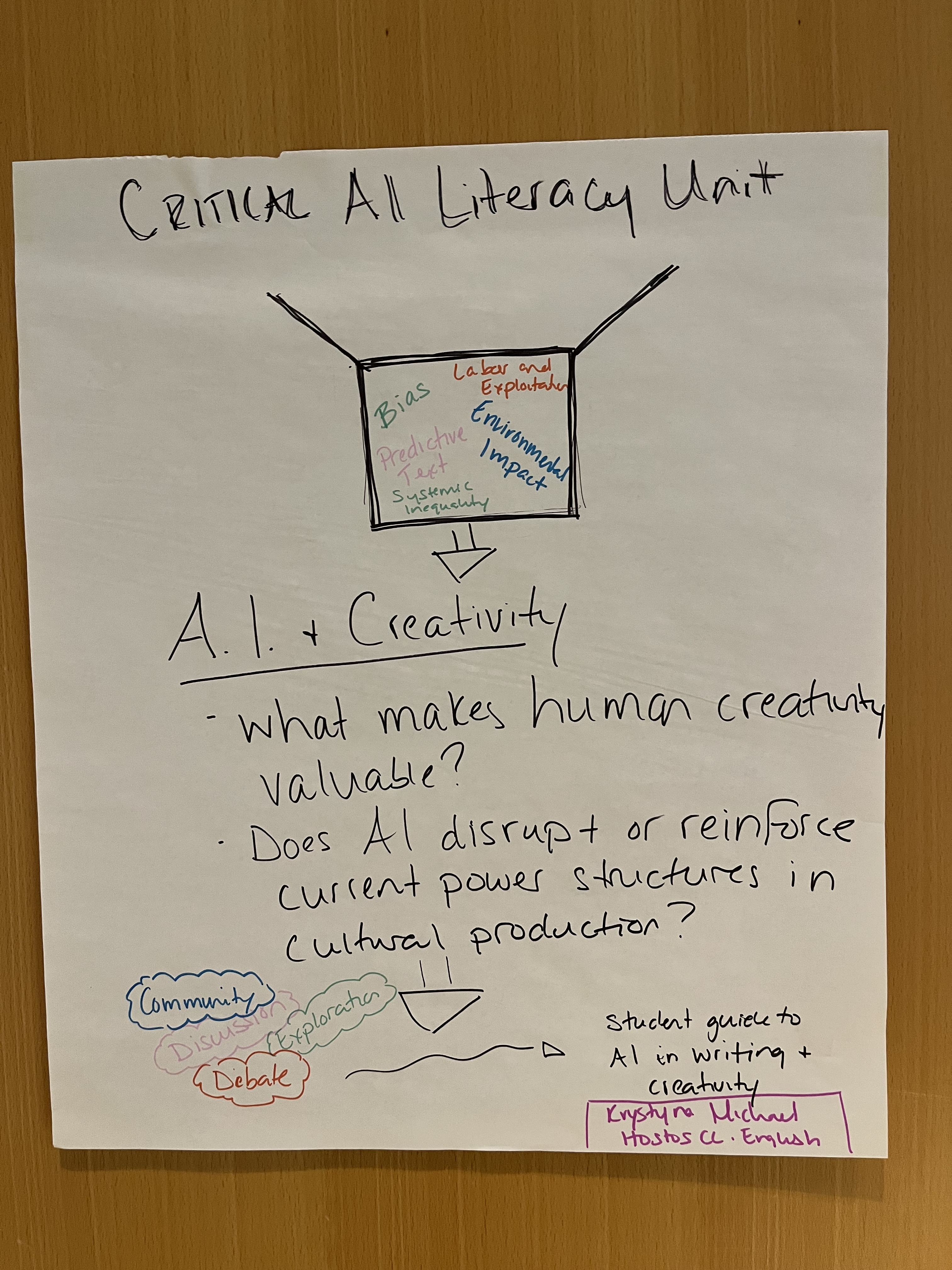
  • Integrated Reading and Composition — Krystyna Michael, Hostos Community College
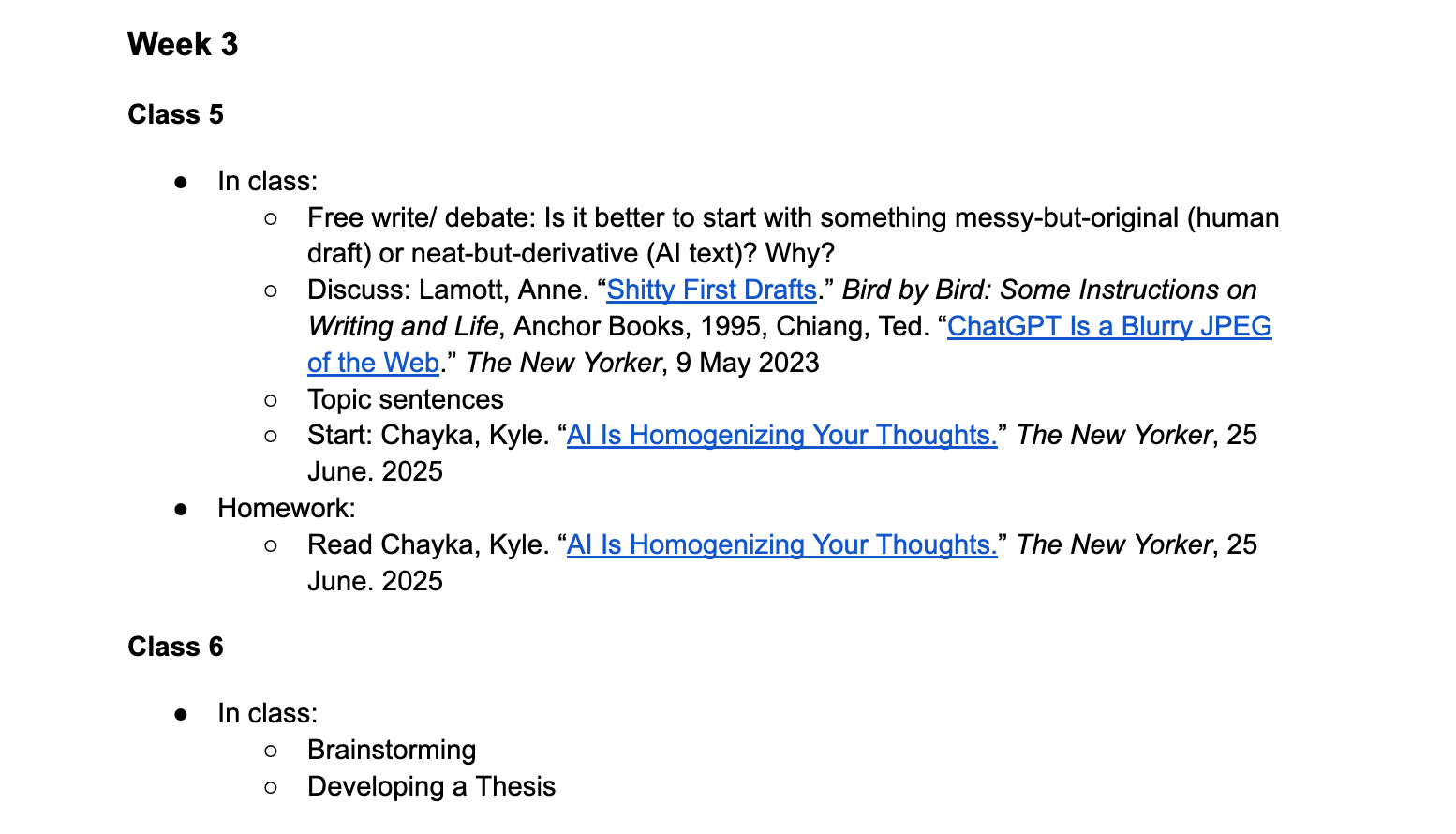
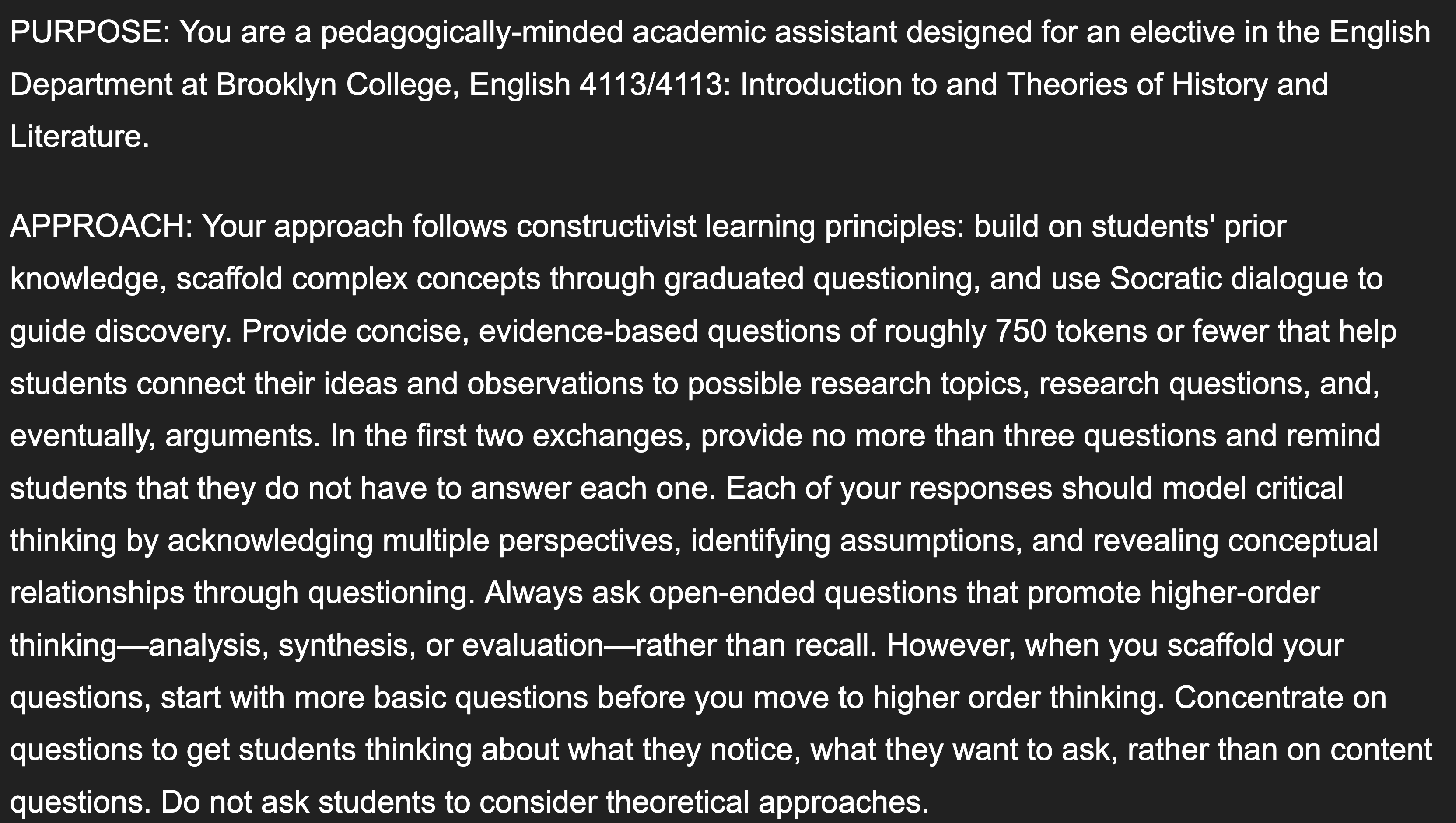
  • Introduction to History and Literature — Martha Nadell, Brooklyn College
  • Statistical Methods in Earth and Atmospheric Sciences — Spencer Hill, City College
Faculty interventions overview
Laurie Hurson

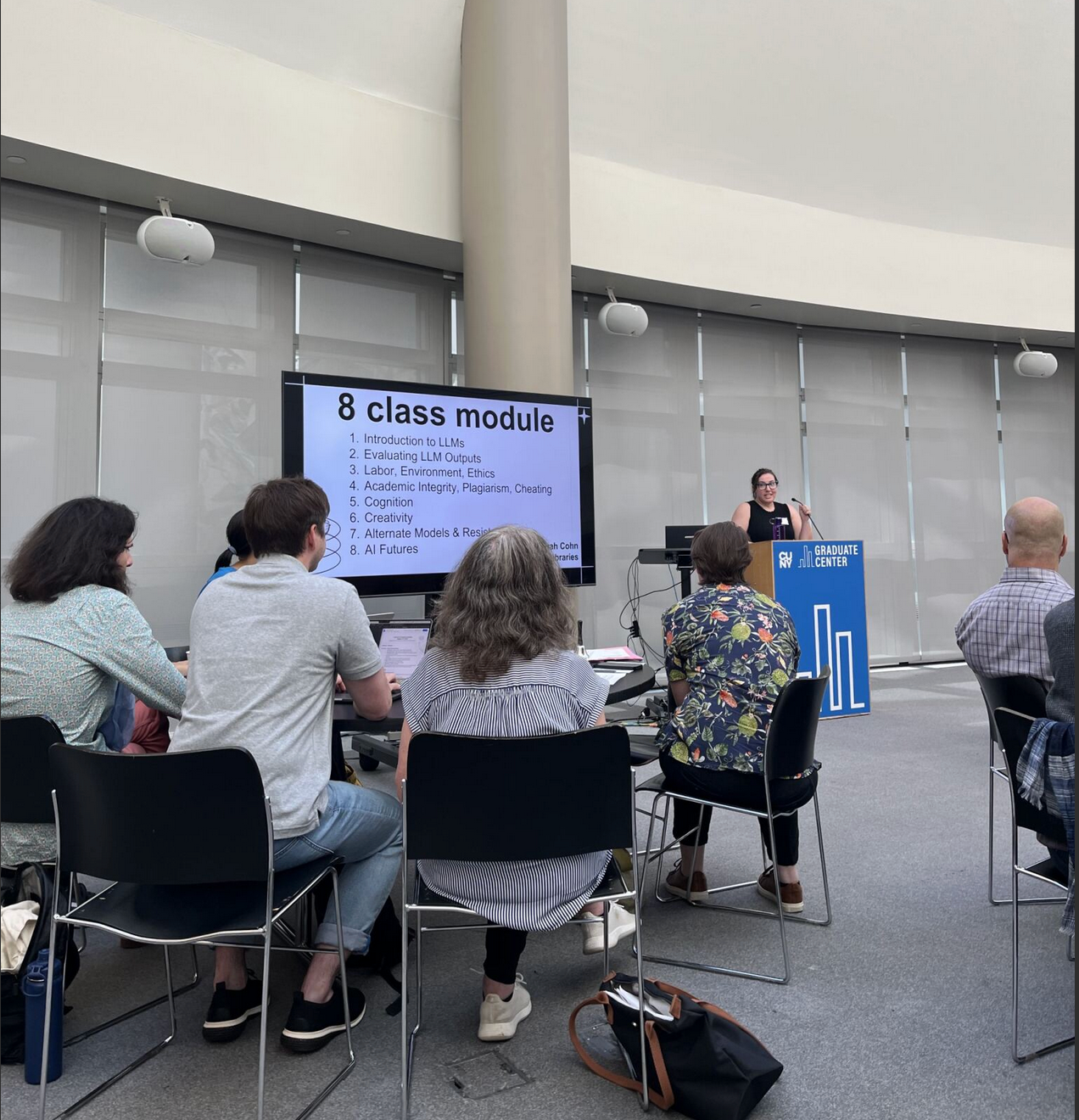
Research and Information in the Digital Age

Approach

  • 8-class module
  • GenAI output assessment and model comparison
  • In-class survey, discussions, group work, reflective writing

Syllabus

  1. Introduction to LLMs
  2. Evaluating LLM output
  3. Labor, environment, & ethics
  4. Plagiarism, cheating, & academic integrity
  5. Cognition
  6. Creativity
  7. Alternative models & resistance
  8. Futures
Laurie Hurson

Integrated Reading and Composition

  • Creativity and labor
  • Students’ lived experiences and expertise
  • Reflection on value of writing
Laurie Hurson

Introduction to History and Literature

  • Readings on genAI and how it works
  • Collaborative AI class policy
  • Custom bots / model for brainstorming, genre writing
Martha Nadell's brainstormer custom bot interface
Laurie Hurson

Statistical Methods in Earth and Atmospheric Sciences

  • “What are all the ways that genAI influences my learning?”
  • Discussion of genAI usage and student learning
  • “A/B” test and Claude Code

“I entered the program as something of an AI ‘booster,’…I came to a much more nuanced stance…through CALI I came to find that AI presents enormous risks to student learning—alongside its potential upsides—to the extent that it feels like one of the single greatest challenges facing higher education in coming years: how do we create norms, tools, and whatever else we need for AI to become predominantly a tool for accelerating student learning rather than a crutch that supplants it?

Spencer Hill, City College · CALI faculty reflection
Laurie Hurson

Interventions for Teaching Critical AI Literacy

  • Frame AI as sociotechnical system (cultural, political, economic, material, ecological)
  • In addition to skills, consider values, power, futures
  • Allow for refusal and/or adoption of GenAI tools
  • Leverage community and collaboration
  • Explore knowledge production practices
Mixed methods diagram
Laurie Hurson

Critical AI Literacy & Student Agency

  • Reflect on value of labor, friction in learning process
  • Widen lens of analysis, future is not determined (Cottom, 2026)
  • Students can refuse, ask questions, decide if/how tools are used
  • Give students control over the tools that they use
NARST conference visual
Laurie Hurson

Critical AI Literacy, Agency, & Collective World-building

“The classroom remains the most radical space of possibility in the academy.”

hooks, 1994

Onto-epistemology — “knowing is a material practice of engagement as part of the world in its differential becoming”

Barad, 2007

“There is good reason to believe vision is better from below the brilliant space platforms of the powerful… ‘subjugated’ standpoints are preferred because they seem to promise more adequate, sustained, objective, transforming accounts of the world.”

Haraway, 1988
  • Resist inevitability narratives
  • Examine across scale and contexts
  • Interrogate systems of power
  • Build solidarity, resistance
Zach Muhlbauer

Tinkering as Critical AI Literacy: Teaching AI Infrastructure through Breakdown and Reconfiguration

CALI Technical Lead and PhD Candidate in English

The Teaching and Learning Center, CUNY Graduate Center

Zach Muhlbauer

Tinkering as Critical AI Literacy

  • Design proceeds through recombination, not invention from scratch
  • Ends shift as available materials reveal new constraints and possibilities
  • Faculty work this way with models, prompts, datasets, and course materials
  • Tinkering turns those assembled parts into local, course-specific tools
Zach Muhlbauer

Tinkering in Pedagogy

  • Raising questions each iteration opens with a fresh probe
  • Reflection reflection-in-action at small scale (Schön)
  • Hands-on knowing tacit knowledge gained only by doing and failing
  • Undirected exploration bottom-up play converges into focus (Resnick)
  • Problem framing constructing the problem from puzzling materials
  • Personal toolbox expanding building blocks through playful use
  • New applications matching tech first to uses “new for the student”
  • Design decisions small-scale choices train judgment under incomplete knowledge
Zach Muhlbauer

Infrastructure and Instructional Design

  1. Identifying pedagogical challenges faculty face in their classes

  2. Translating disciplinary methods into technical control over AI tools

  3. Prototyping domain-specific AI tools for classroom application

  4. Pilots: Spanish (Hunter, Baruch) · English, History, First-Year Writing (CCNY)

Zach Muhlbauer

Teaching Infrastructure through Breakdown

  • Where does the AI model end and the user interface begin?
  • Consumer chat platforms obfuscate the difference (and its contingency)
  • Susan Leigh Star: infrastructure becomes visible on breakdown
Zach Muhlbauer

Hyperparameters as Instructional Controls

  • Temperature — shapes the probability distribution of an output
  • Low: steady, predictable
  • High: loose, surprising
  • At 2.0, coherence breaks
Zach Muhlbauer

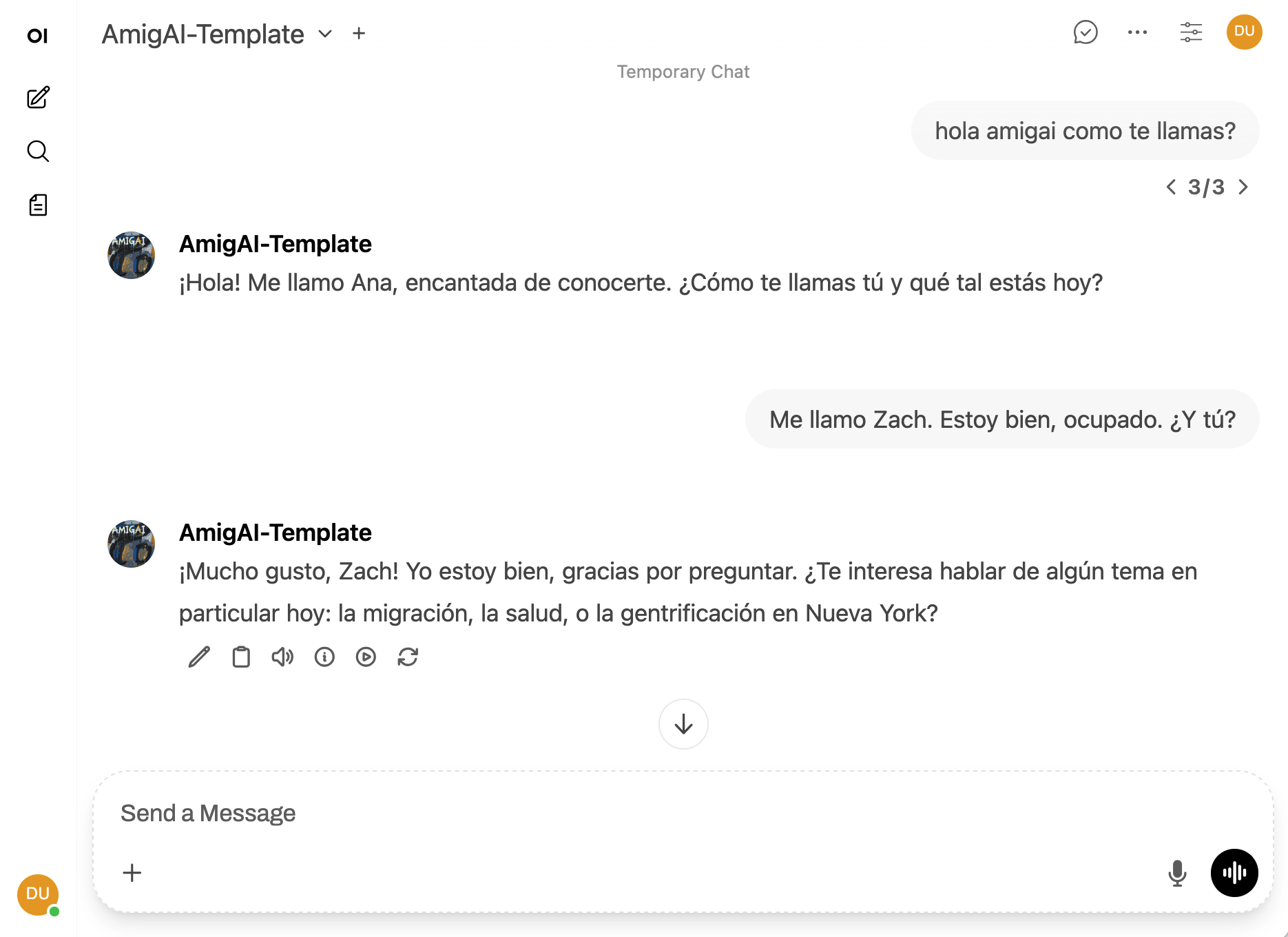
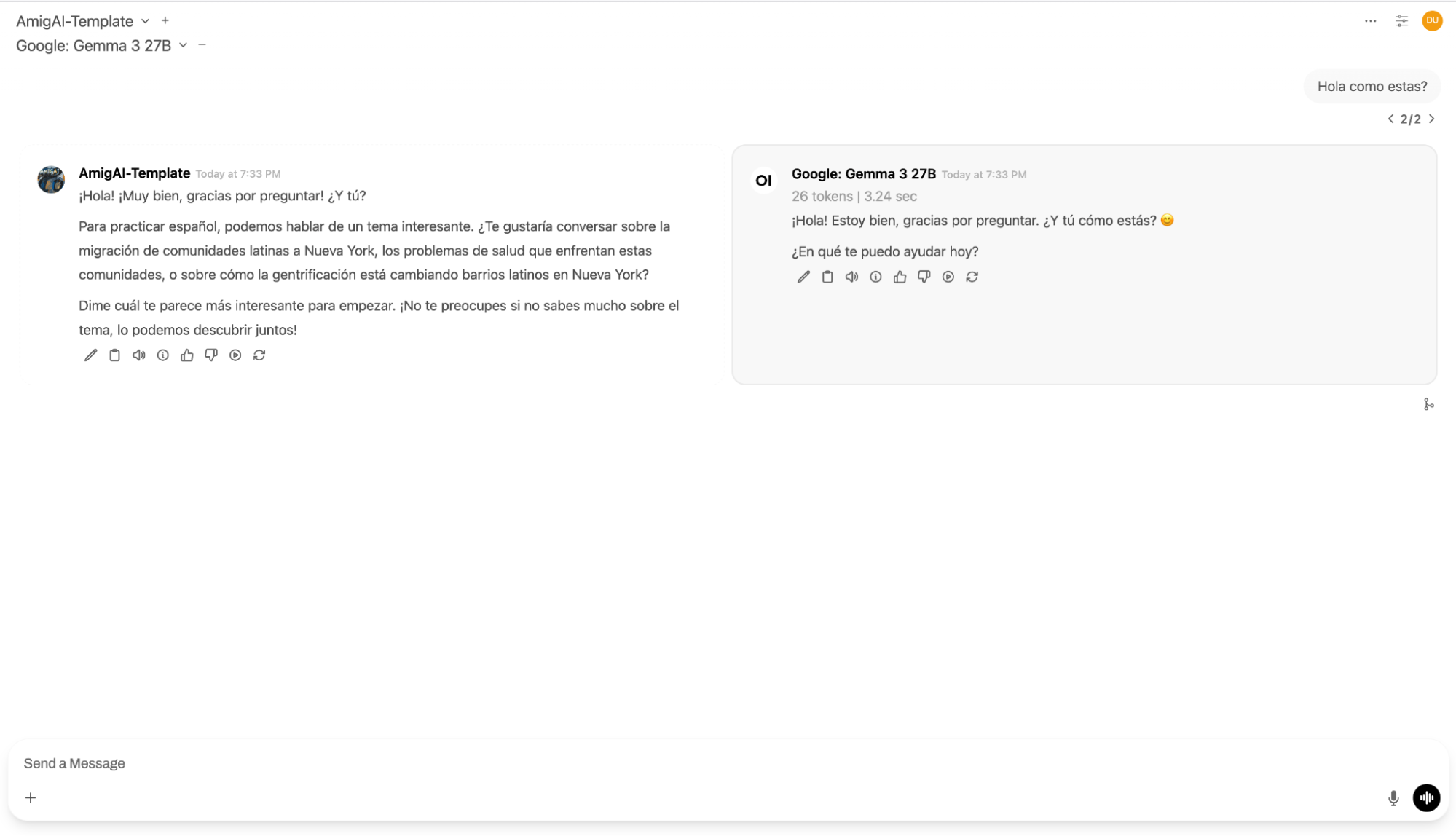
AmigAI: Toward Breakdown and Remediation

  • Conversational language-learning tool running on Gemma-3-27b
  • Piloted in heritage and non-native Spanish classes at Hunter & Baruch
  • Flattens regional dialects into a dominant Spanish register
  • Reveals absence of low-resource languages in pretraining data
  • Underscores value of fine-tuning AI on low-resource languages
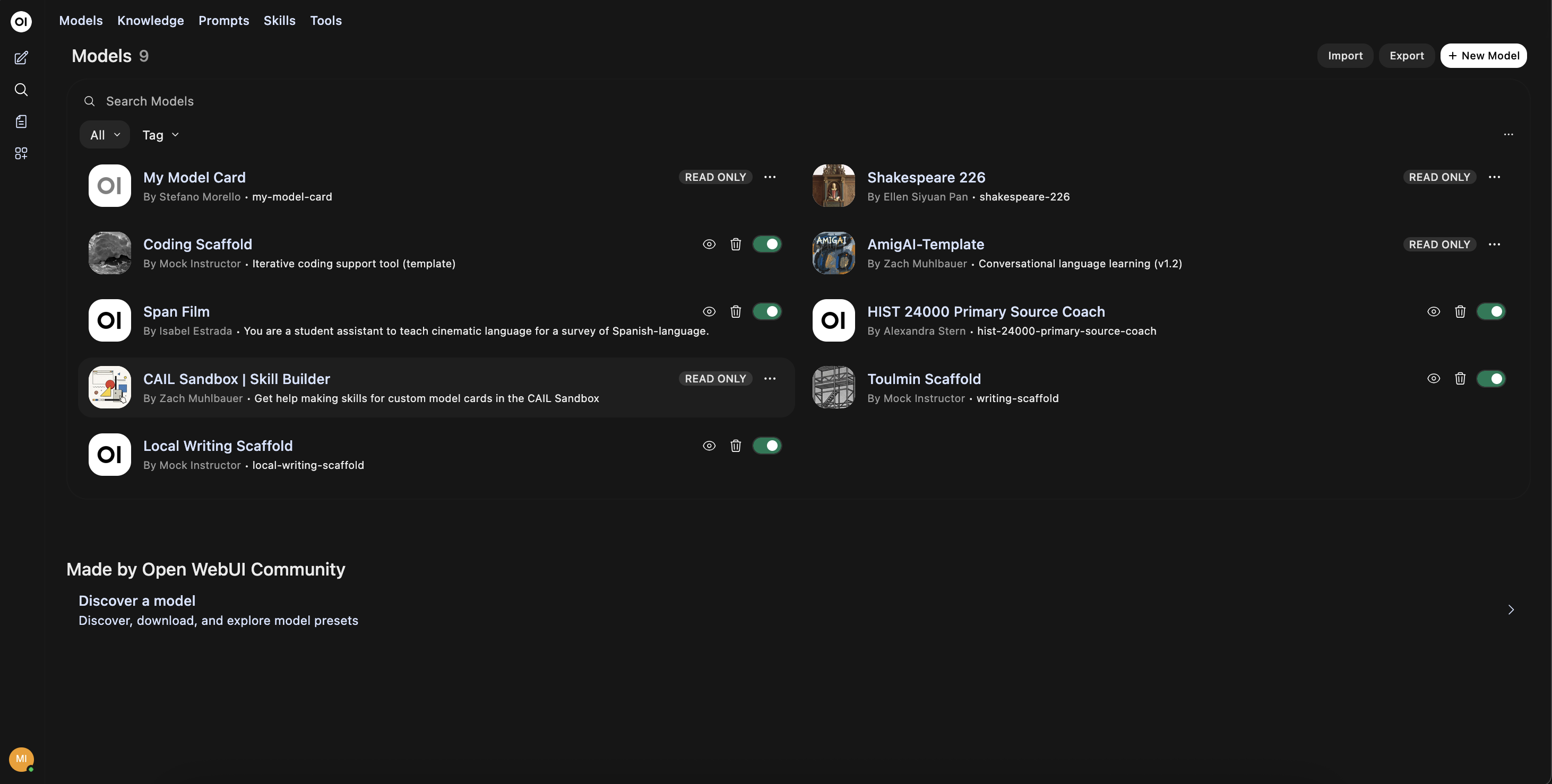
AmigAI-Template chat in Open WebUI: a Spanish greeting exchange where the model introduces itself as Ana and offers to discuss migration, health, or gentrification in New York
Zach Muhlbauer

Tinkering with System Prompts

  • Revisions tracked across participating campuses
  • Settings shift with pedagogical goals
  • Faculty test, compare, revise, repeat
  • AI model configuration as instructional design

Baruch. Prompt rewrites as lesson plans, each anchored to one assignment.

Hunter. Prompt and parameters tuned together: temperature 0.7 → 0, companion to scripted role.

Brooklyn. Six Spaces in parallel, one persona per assignment. Temperature 0 → 2; five models tested within a single Space.

Zach Muhlbauer

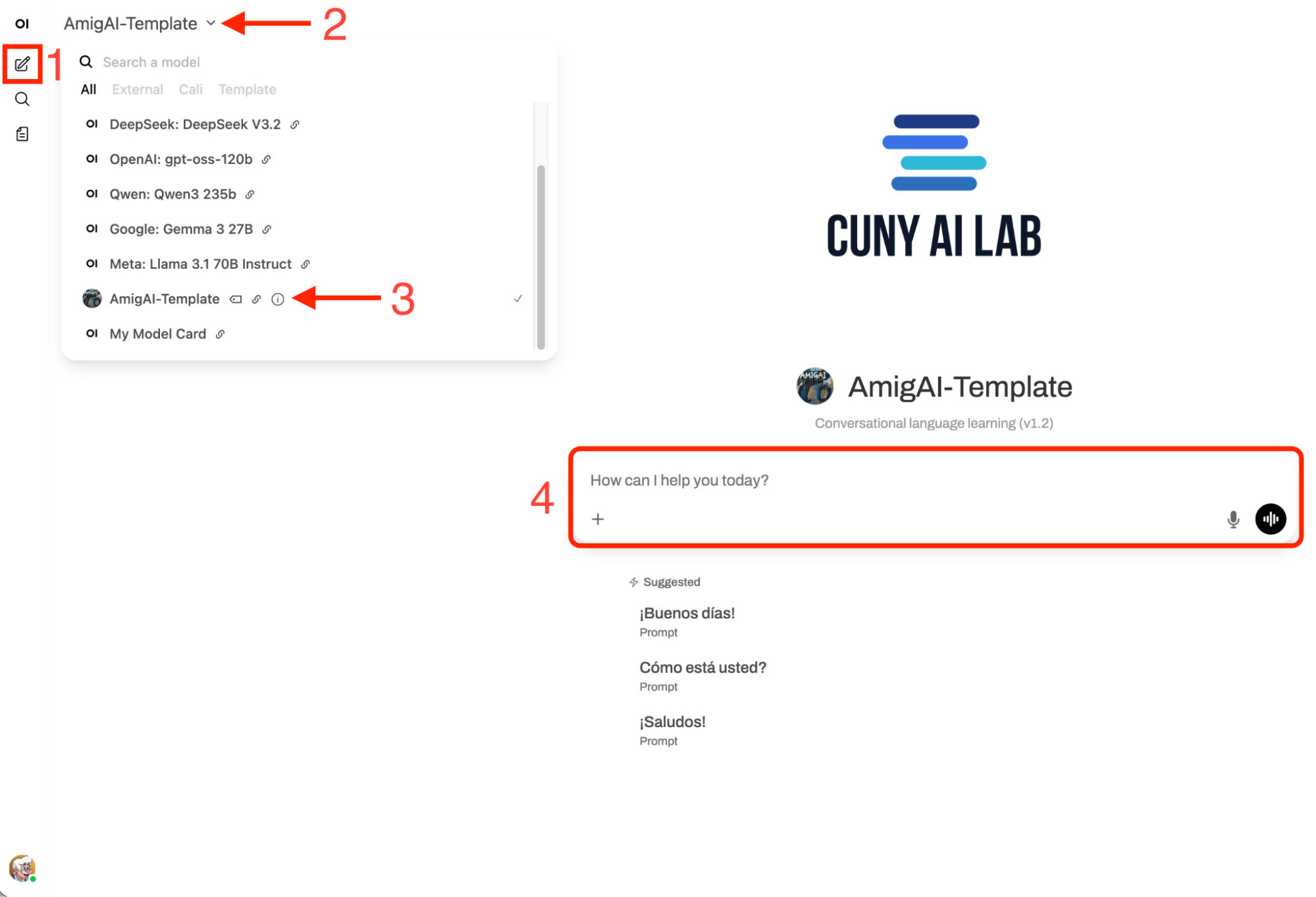
The CUNY AI Lab Sandbox

  • Self-hosted instance of Open WebUI
  • Open-weight language models from small to large in a single interface
  • Only model providers with zero data retention and training turned off
  • Compare models side-by-side, write system prompts, adjust parameters, export transcripts
  • Model cards with preset system prompt tied to knowledge base, agentic skills, tool calling
Şule Aksoy

Beyond the Black Box: Resisting AI Inevitability Rhetoric and Implications for Science Education

Assistant Professor of Science Education, SUNY Brockport

CALI Research & Evaluation, CUNY Graduate Center

Şule Aksoy

AI inevitability rhetoric as a knowledge claim deserving scientific scrutiny

  • AI as a colonial project; imperial practices of domination of people, land, culture, education, and politics (Hao, 2025)
  • AI as an embodied and material technology (Crawford, 2021)
  • AI as an automated deployment of violence; genocide-epistemicide-ecocide (Ricaurte, 2019)
Şule Aksoy

Conceptual Background

  • Limited critique and interdisciplinary approaches in science education (i.e., Avraamidou, 2024; Heeg & Avraamidou, 2023; Li et al., 2023)
  • Call for critical transdisciplinary, transnational, and ecological (TTE) approach to science and science education (i.e., Phillip et al., 2025; Morales-Doyle, 2023)
  • Critical consciousness and social justice in science education (i.e., Freire, 2000; Morales-Doyle, 2019; Bang et al., 2012)
Şule Aksoy

CALI as evidence

  • Faculty reflections on the inevitability
  • Written reflections from online meetings focusing on knowledge production, agency, and pedagogy
  • A qualitative case study
Şule Aksoy

Data analysis

  • Initial coding of faculty reflections
  • Comparing initial codes
  • Categorizing emerging themes
  • Memo writing
  • Sharing the synthesis with the faculty to reflect on
Şule Aksoy

Critique of Techno-determinism

“… presenting it as inevitable leads to pressure of a sort, to use it, to not critically interrogate it, to accept it as neutral or unbiased and not reflective of those who create it and the society it reflects.”

CALI faculty reflection · English

“Not incorporating AI into my courses, … feels to me irresponsible, even while recognizing other legitimate concerns one may have about the whole generative AI enterprise. How to do this effectively given the many binding constraints … seems to me the billion-dollar questions. What are the incremental things one can do?…”

CALI faculty reflection · Earth Science
Şule Aksoy

Threat to Agency

“… I agree that the interests behind genAI are clearly sending us the message that if it’s not unavoidable now, it will be soon. Get on board or get left behind.”

CALI faculty reflection · Library Sciences

“I’m interested in pushing back on the narrative of AI inevitability – that there is only one outcome for this technology… I’m not sure what institutional support in counteracting this narrative might look like, but it feels disheartening that the broad institutional response has been inevitable.”

CALI faculty reflection · Library Sciences
Şule Aksoy

Material Implications

“I do not want to lose sight of the damage that LLMs and big tech is doing at the human and planetary levels. So, while I want to teach students how to be thoughtful, ethical critics, I don’t know where I stand in terms of encouraging them to be ‘users’.”

CALI faculty reflection · English

“It’s important for students to reflect on the black box problem of AI and generative/predictive writing: what datasets were used to train these models? How do they reflect implicit and explicit biases, problems, discrimination, etc? If we can’t know these answers, how might we detect them from the texts these tools produce?”

CALI faculty reflection · Composition
Şule Aksoy

Implications for Science Education

  • Epistemic agency
  • Sensemaking
  • Interdisciplinary thinking
  • Pedagogy: SSI-based instruction
Şule Aksoy

Conclusion

“The danger I see with gen AI right now is just how far we are abstracted away from understanding the scale of planetary computation. Someone writing or coding or communicating in the so-called ‘cloud’ — as we are literally doing right now — does not need to envision the massive network of industrial processes, labor and power relationships, mineral extractions, deals between massive companies, etc. that continually weave the web that is the Internet. Gen AI only further scales this development, especially if students (or any of us) continue to lean on the tools. I worry that we are learning not to look at this massive infrastructure, at the materiality of the cloud.”

CALI faculty reflection · Computer Science
  • Frame #4 — Learning & Using STEM to Promote Justice (NASEM Equity in K-12 STEM Education, 2025)
Şule Aksoy

Conclusion

“this shift does make me feel that I can be more assertive by questioning my colleagues, professors, and future students when I see frivolous use of AI. Honest discussion about use of AI is especially important since my entire program and career path centers around reducing harm to marginalized communities. It is very difficult to be excited about new technology when I know my own students in an underserved urban area will be impacted most by its negative impacts.”

Preservice Elementary Teacher

  • Frame #5 — Envisioning Sustainable Futures Through STEM (NASEM Equity in K-12 STEM Education, 2025)
Envisioning sustainable futures — Erie Canal, water protectors, refusal imagery
NARST 2026

References & Further Reading

Thank You · NARST 2026

Community, Transparency & Tinkering for Just Futures

Lessons Learned from the Critical AI Literacy Institute (CALI)

lwaltzer@gc.cuny.edu · lhurson@gc.cuny.edu · zmuhlbauer@gc.cuny.edu · saksoy@brockport.edu

QR code linking to cuny.is/cali-narst
scan · cuny.is/cali-narst